More Blog Posts
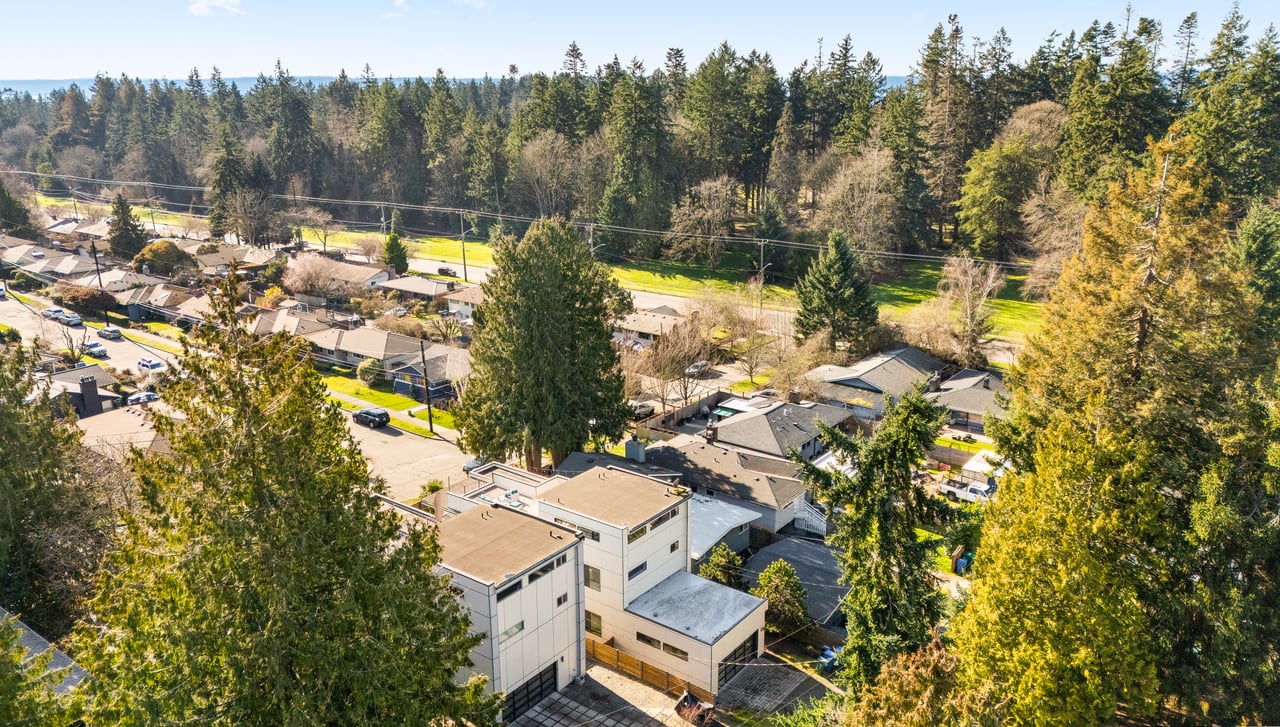
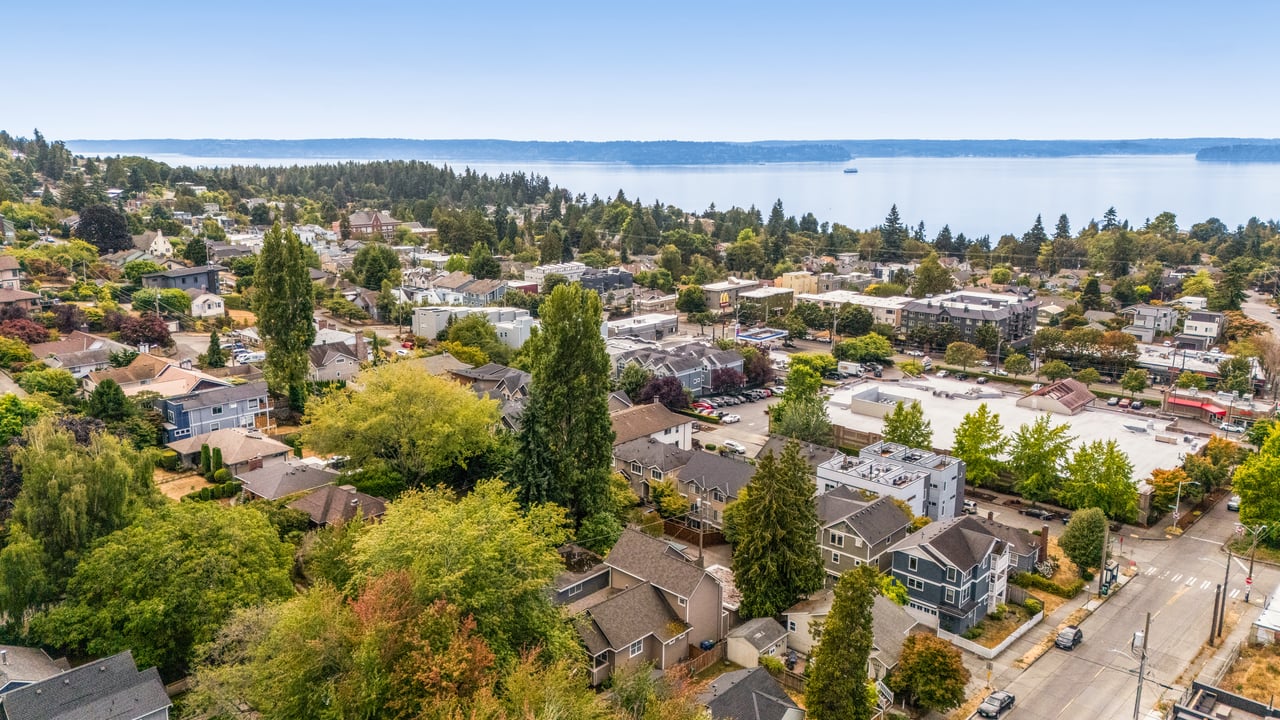
If you want West Seattle access without jumping straight into some of the peninsula’s higher-priced pockets, Seaview deserves a close look. For many buyers, the challenge is finding a neighborhood that still feels residential, offers strong outdoor access, and gives you a real shot at a detached home in a competitive market. This breakdown will help you understand what Seaview is, what homes there tend to look like, how pricing compares nearby, and what kind of lifestyle the area supports. Let’s dive in.
Seaview is a recognized neighborhood name in Seattle’s geographic indexing system, though the city notes those boundaries are for indexing and not an official neighborhood map. In practical terms, buyers usually experience Seaview as part of the southwest West Seattle area near Fauntleroy and Gatewood.
That location matters because Seaview feels connected to several different parts of the peninsula at once. Along California Avenue SW, the surrounding area includes low- and mid-rise commercial, multifamily, and mixed-use buildings, while the blocks stretching east and west are more residential in character.
If you are trying to picture the setting, think of Seaview as a mostly residential pocket with arterial access nearby rather than a dense urban core. It sits in a part of West Seattle where topography, street patterns, and proximity to the shoreline shape the feel of the neighborhood.
For buyers, Seaview’s housing stock is one of its biggest draws. Public assessor data for this part of West Seattle point to a neighborhood pattern that is still strongly single-family, with many older detached homes and lot sizes that commonly fall in the 5,000 to 7,000 square foot range.
A large share of homes in the broader area were built between 1900 and 1929, and the typical home grade is reported as 7 or 8. At least 83% of parcels in the area are zoned single-family, which supports the neighborhood’s lower-density, residential feel.
In the nearby Fauntleroy and Gatewood context, the housing mix includes early homes from the 1910s, many Craftsman bungalows and cottages from the 1920s and 1930s, and a large number of postwar homes from the 1950s and 1960s. Since the late 1980s, some older houses on view-oriented sites have also been replaced by larger, more modern homes.
That means you should not expect one uniform style. In Seaview, you are more likely to see a mix of original character homes, updated houses, and occasional newer infill instead of block after block of new construction.
In Seaview, slope can be just as important as square footage. This part of West Seattle is shaped by hillside conditions and shoreline geography, which can affect privacy, outlook, usable yard space, and even how a home sits on the street.
King County data show that about 35% of parcels in the broader area have some kind of view amenity, while roughly 3% are waterfront parcels. Even when a home is not directly on the water, elevation and lot position can influence light, orientation, and long-term appeal.
For buyers, that means two homes with similar size and age can feel very different in person. If you are house hunting in Seaview, it helps to pay close attention to lot shape, retaining walls, stairs, garage access, and whether the home’s setting supports the lifestyle you want.
Seaview stands out because it can offer a lower price point than some nearby West Seattle neighborhoods while still moving very quickly. In March 2026, Redfin reported a median sale price of $764,000 in Seaview, with median days on market of 6 and 43.8% of homes selling above list price.
Realtor.com reported a 102% sale-to-list ratio and described Seaview as a seller’s market during the same period. For you as a buyer, that points to a neighborhood where value may exist relative to nearby areas, but hesitation can still cost you.
Here is how Seaview compares with a few nearby areas mentioned in the research:
| Neighborhood | Median Sale Price | Days on Market | Market Context |
|---|---|---|---|
| Seaview | $764,000 | 6 | Fast-moving, competitive |
| Gatewood | $969,000 | 21 | Higher price point, primarily residential |
| Fauntleroy | $985,000 | 7 | Higher price point, quick-moving |
| Morgan Junction | Not directly compared by sale price here | Not cited here | More mixed-use, more urban feel |
The takeaway is simple. Seaview may sit below Gatewood and Fauntleroy on recent median sale price, but it is not a slow or sleepy bargain market.
If Seaview fits your budget and goals, you should be ready to act when a well-positioned home comes up. Competitive conditions can show up in multiple ways, including strong list-to-sale ratios, short market times, and homes selling above asking.
That does not mean every listing will follow the same pattern. Condition, lot utility, view potential, and proximity to busier streets can all affect how individual homes are received.
One of the clearest reasons buyers choose Seaview is lifestyle. This is a neighborhood where outdoor access plays a major role in day-to-day living.
Lincoln Park is one of West Seattle’s major park assets and offers 4.6 miles of walking paths, 3.9 miles of bike trails, playfields, picnic areas, shoreline access, and a heated saltwater pool and bathhouse. Nearby, Fauntleroy Park adds wooded trails, and Schmitz Preserve Park offers old-growth forest and walking paths.
If you want a neighborhood that supports time outside, Seaview has a strong case. It tends to appeal to buyers who value parks, trails, beaches, and green space more than being in the middle of a dense retail district.
Morgan Junction is a useful comparison because it offers a different type of West Seattle living. City materials describe Morgan Junction as a growth focus, with more new development concentrated in the core and a more mixed-use, higher-density setting.
Seaview, by contrast, reads as quieter and more residential. If you are deciding between the two, the question is often whether you want a more urban, mixed-use environment or a more residential pocket with strong access to parks and shoreline amenities.
Gatewood and Fauntleroy are also helpful reference points because they share some of the same age and housing patterns. Both areas include older homes, Craftsman-era housing, and postwar properties, and both tend to draw buyers looking for established residential blocks.
Compared with those neighborhoods, Seaview may offer a lower recent median sale price while still giving you access to the broader West Seattle peninsula lifestyle. For buyers who are flexible on exact micro-location, that can make Seaview a very smart neighborhood to watch.
Commute patterns are another practical part of the decision. Fauntleroy Way SW is one of the main north-south arterials serving West Seattle and is also the primary access route to the Washington State Ferries terminal at Fauntleroy.
King County Metro’s RapidRide C Line serves West Seattle, Alaska Junction, Fauntleroy, downtown Seattle, and South Lake Union. That gives buyers a few different ways to think about mobility, depending on where you work and how often you need to leave the peninsula.
In real life, Seaview often fits buyers choosing between a car-based routine and a transit-oriented one. If ferry access matters to your schedule or lifestyle, the neighborhood’s southwest West Seattle location may also be a plus.
Seaview can work well for several types of buyers, but the strongest fit tends to be people who want a residential West Seattle feel and understand the tradeoffs of an older housing stock. If you appreciate character, renovation potential, or the possibility of a better entry point into West Seattle than nearby higher-priced areas, Seaview may deserve a spot on your list.
It can also appeal if you want a home environment that feels less urban than Morgan Junction while staying connected to key routes and daily amenities. The neighborhood’s combination of detached homes, slope-and-view dynamics, and strong park access creates a distinct personality.
Before you buy, it is worth looking closely at:
Those details can make a major difference in both your experience living there and your long-term resale position.
Seaview is not the flashiest name in West Seattle, and that is part of the opportunity. It offers a mostly residential setting, older homes with character, meaningful access to parks and shoreline amenities, and a recent median price below nearby Gatewood and Fauntleroy.
At the same time, it remains a competitive market where well-located homes can move fast. If you want the West Seattle peninsula lifestyle without limiting your search to the most expensive nearby pockets, Seaview is a neighborhood worth understanding in detail.
When you are comparing blocks, views, lot shapes, and home condition in a micro-market like this, local context matters. If you want help evaluating whether Seaview is the right fit for your budget and goals, connect with Mara Haveson for thoughtful, hyperlocal guidance.

Address
4531 California Ave., SW
Seattle, WA 98116
Mara Haveson