More Blog Posts
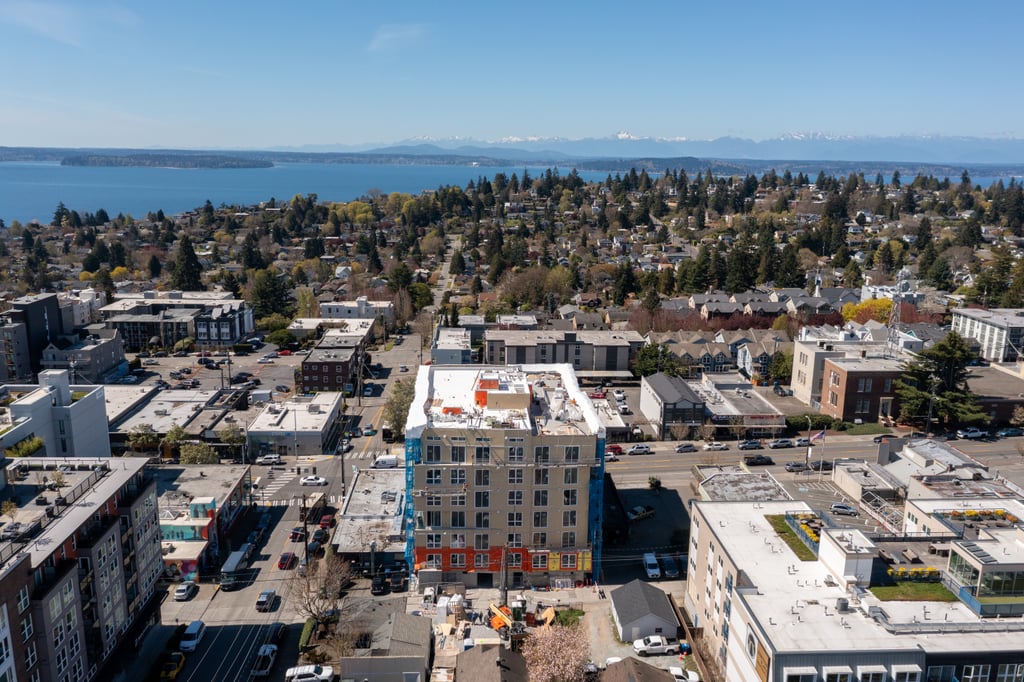
If you want a West Seattle neighborhood that feels tucked away without feeling cut off, Gatewood stands out fast. This is the kind of place where the streets feel residential, the housing stock has real variety, and daily life often flows easily between home, parks, and nearby business districts. If you are thinking about buying or selling here, understanding how Gatewood actually lives block by block can help you make a smarter move. Let’s dive in.
Gatewood sits on the West Seattle plateau along the western edge of the peninsula. City historic preservation documents describe it as primarily residential, with no true commercial center, and note that it developed as a neighborhood stop on the streetcar line.
That history still shows up in how the neighborhood feels today. Instead of reading like a newer planned subdivision, Gatewood has the pattern of an older residential district shaped by early transit, topography, and incremental growth over time.
The phrase “highest hill” fits Gatewood more as neighborhood branding than a literal geographic title. Seattle Parks identifies High Point as the city’s highest point, so it is best to think of Gatewood’s elevated feel as part of its identity rather than a strict elevation superlative.
That said, the hilltop setting is still part of the appeal. In many parts of Gatewood, you feel above the bustle, with a quieter street pattern and a sense of separation from busier nearby corridors.
One of the most useful things to know about Gatewood is that the land itself shapes the neighborhood experience. Because the plateau edge is steep, many east-west streets end at the edge or connect by switchbacks.
For you as a buyer or seller, that can affect more than just curb appeal. Lot usability, driveway design, retaining walls, and even how a backyard functions can vary quite a bit from one block to the next, especially closer to steeper edges and view-oriented sites.
Gatewood’s housing stock spans several eras, which gives the neighborhood a layered, established feel. According to city documents, you will find homes dating from the early 1910s, along with 1920s and 1930s Craftsman bungalows and cottages, plus 1950s and 1960s postwar homes.
That mix is part of what makes Gatewood appealing to a wide range of buyers. Some people are drawn to original character and smaller footprints, while others are looking for updated interiors, expanded layouts, or more modern construction.
Since the late 1980s, stronger view premiums on hills and slopes have led some older homes to be replaced by larger, more modern houses. That means Gatewood can offer a blend of classic streetcar-era homes and newer residences designed to take fuller advantage of light, outlooks, and lot position.
If you are shopping here, this is a neighborhood where the age of the home does not always tell the whole story. Two homes on nearby blocks can differ a lot in style, condition, scale, and how they relate to the site.
In Gatewood, it helps to look beyond the listing photos and focus on how the property actually works. A few practical questions can go a long way:
For sellers, these same details often shape value and buyer response. In a neighborhood with architectural variety and topographic differences, presentation and pricing need to account for what makes your specific property stand out.
Gatewood’s residential feel is balanced by access to meaningful open space. That is one reason the neighborhood often appeals to buyers who want a calmer home base while still staying connected to the rest of West Seattle.
Myrtle Reservoir Park is the neighborhood’s signature public open space. Seattle Parks says the site includes an open grass field on top of the lidded reservoir, a pathway circling the field, ADA-accessible pathways, a children’s play area, and a viewing plaza with an interpretive element about elevation.
For daily life, that translates into a flexible neighborhood park with room to walk, play, pause, and take in the setting. It is one of the clearest examples of how Gatewood blends residential quiet with useful public space.
Orchard Street Ravine offers a different kind of green space. Seattle Parks describes it as the upper-most part of the Gatewood Creek Watershed and notes that the preserved ravine supports wildlife habitat and passive-use recreation, including quiet trail walking.
That more natural feel adds another layer to the neighborhood. If you value easy access to lower-key outdoor spaces, Gatewood has that too.
Gatewood also benefits from larger nearby parks that expand your options. Lincoln Park offers miles of walking and bike trails, playfields, shoreline, and Colman Pool, while Fauntleroy Park provides a densely wooded trail network for wandering, hiking, and dog-walking.
Together, these parks help explain why Gatewood feels residential without feeling isolated. You have a quieter home setting, but you are still close to some of West Seattle’s best-known outdoor destinations.
A useful way to think about Gatewood is this: you live in Gatewood, and you often shop nearby. City planning materials and preservation documents make clear that Gatewood is primarily residential and does not have a true commercial core.
In practice, everyday errands and dining often happen in nearby Morgan Junction or the West Seattle Junction. That setup works well for many people because home feels quieter, while services and destinations remain close at hand.
The city’s Morgan Junction planning area includes Gatewood Elementary, Myrtle Reservoir Park, and Morgan Junction Park within a broader area that includes neighborhood commercial uses along with single-family and low-rise multifamily areas. The Alaska Junction neighborhood plan also identifies Fauntleroy Way SW as a primary entry into the West Seattle Junction Hub Urban Village.
For you, that means Gatewood is well placed for access to established nearby centers without putting commercial activity in the middle of the neighborhood itself. Many buyers see that as a strong middle ground.
Gatewood’s location also connects well to broader West Seattle movement patterns. The nearby Fauntleroy terminal is a major regional transportation hub that serves more than 2.3 million riders annually and connects West Seattle with Vashon Island and the Kitsap Peninsula.
Even if you are not a regular ferry rider, that regional access point is part of the area’s larger geography. It adds another layer of connectivity that can matter depending on your work, travel, or family routines.
Gatewood’s roots help explain why it feels established today. HistoryLink ties early neighborhood growth to the 1907 California Avenue and Myrtle Street streetcar line and notes that Carlisle Gatewood platted the Gatewood Acre Tracts and Gatewood Gardens.
That early pattern of development is one reason the area feels less like a single-era neighborhood and more like a place that has evolved over time. For buyers, that often means more architectural variety. For sellers, it means your home may need to be positioned within a very specific micro-market story.
Gatewood Elementary is one of the neighborhood’s longstanding civic anchors. Seattle’s landmark report says the school sits on a 4.2-acre site, and HistoryLink notes that the original building opened in 1910 with 268 students after the streetcar line and early plats helped spur local settlement.
When people talk about Gatewood feeling established, this is part of what they mean. Longstanding public institutions can shape how a neighborhood reads over generations, even as housing stock and buyer preferences change.
If you are buying in Gatewood, the biggest advantage is nuance. This neighborhood offers a residential setting, access to parks, close-by business districts, and housing options from early bungalows to newer modern homes.
The key is to evaluate each property in context. In Gatewood, block, topography, home style, condition, and lot usability can all have a real effect on value and day-to-day livability.
If you are selling in Gatewood, broad neighborhood appeal is only part of the strategy. Buyers often respond strongly to site-specific advantages here, especially when a home has useful outdoor space, thoughtful updates, a strong position on the lot, or design choices that fit the home’s era and setting.
That is where hyperlocal pricing and preparation matter. In a neighborhood where housing spans multiple decades and property characteristics vary so much by block, the right pre-listing guidance can shape both buyer interest and final outcome.
If you are considering a move in Gatewood or anywhere in West Seattle, Mara Haveson can help you evaluate the neighborhood at the block level, plan smart improvements, and move forward with clear, local guidance.

Address
4531 California Ave., SW
Seattle, WA 98116
Mara Haveson