More Blog Posts
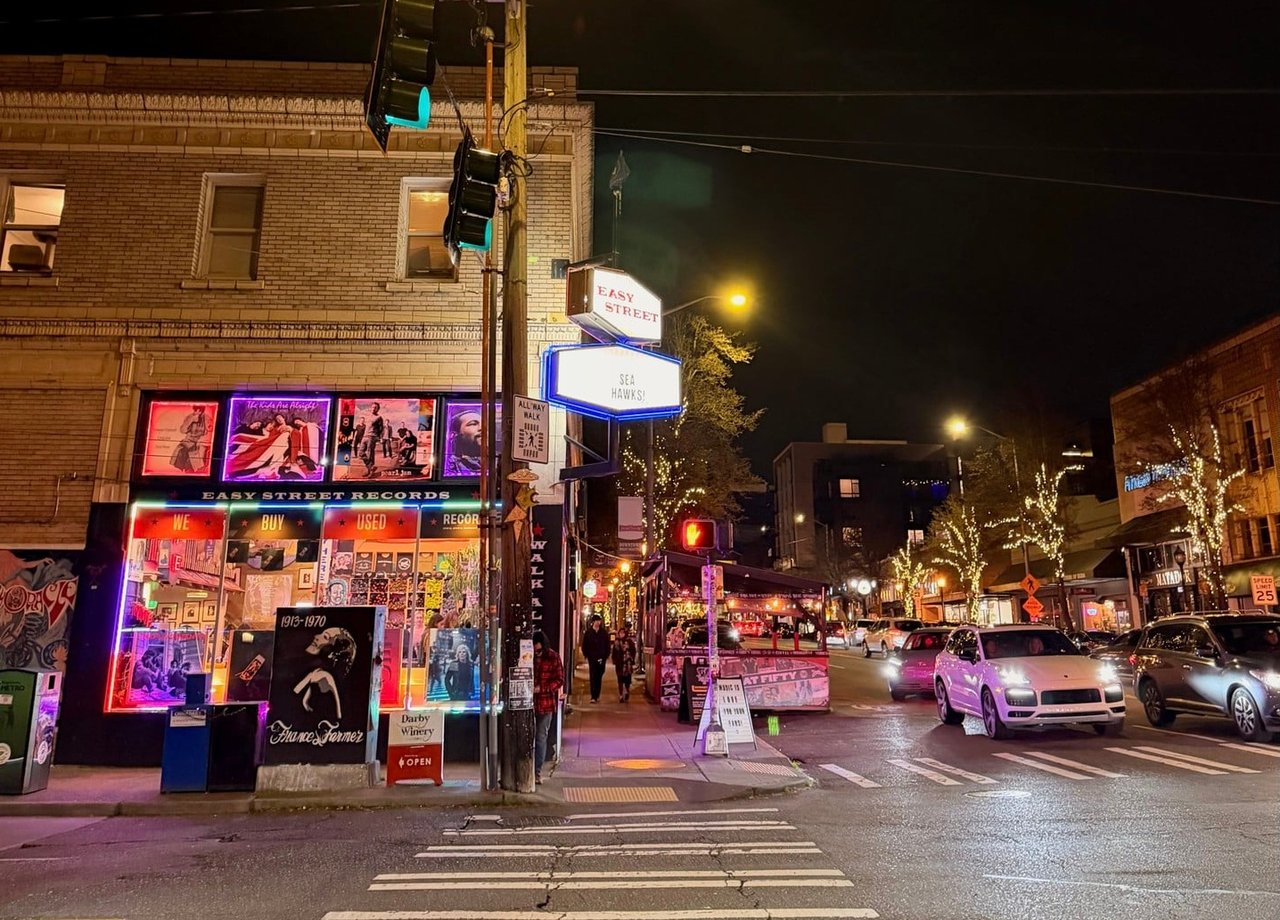
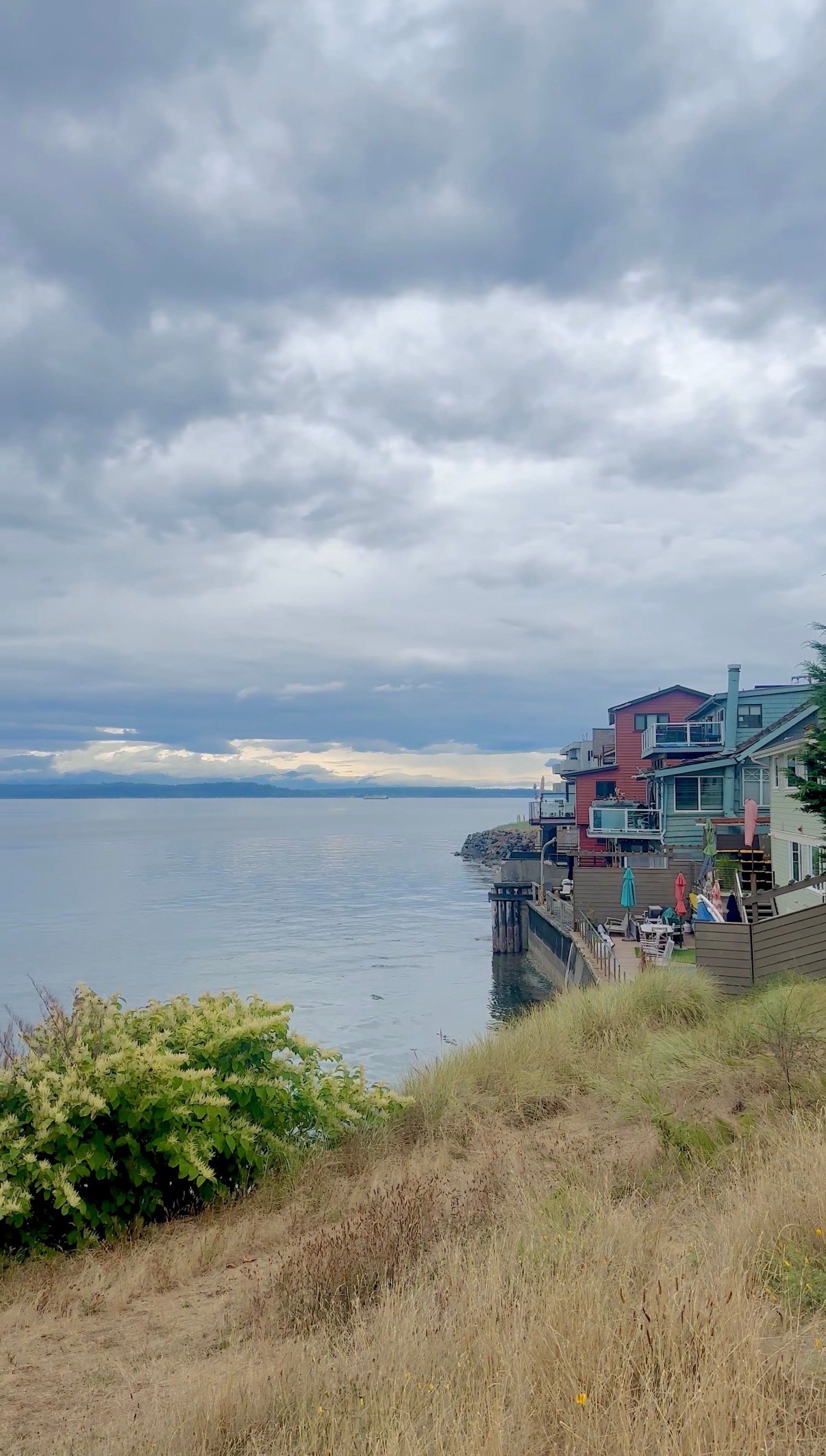
If you have ever pictured waking up steps from the water, Alki Beach probably feels like one of West Seattle’s most tempting condo locations. It offers shoreline views, easy access to the beach, and a lifestyle that feels a little like a getaway without leaving the city. But buying here is not just about finding the right unit. It is also about understanding how the setting, building rules, and day-to-day logistics fit your life. Let’s dive in.
Alki Beach Park stretches along a long shoreline on Elliott Bay, roughly from 64th Place SW to Duwamish Head. Seattle Parks describes it as a major summer destination, with a widened path, fire pits, volleyball, biking, rollerskating, and broad water views.
That setting is a big part of the appeal. When you buy a condo at Alki, you are often buying into a very specific kind of waterfront lifestyle. You get immediate access to the beach and the energy that comes with it, but that can also mean more activity right outside your door.
For many buyers, the first big question is how close you want to be to the shoreline path. A direct waterfront building can give you the most dramatic views and the easiest beach access, which is exactly what draws many people to Alki in the first place.
At the same time, official city information makes it clear that Alki sees heavy seasonal use. Summer park hours currently run from 4 a.m. to 10:30 p.m. from May 1 through September 30, and beach fire pits are typically open seasonally unless a burn ban is in effect. Seattle has also highlighted Alki as a high-use area during peak summer months.
That matters because a front-row location may come with more noise, more foot traffic, and less separation from public activity. A second-row building may offer a little more buffer while still keeping you close to the water.
One showing is rarely enough for an Alki condo. If you are serious about a building, it is smart to experience the block on a weekday, a weekend afternoon, and an evening.
That simple step can tell you a lot. You will get a better sense of traffic, parking pressure, beach activity, and how the building feels when Alki is at its busiest versus when it is quieter.
In any condo purchase, the homeowners association documents deserve close attention. At Alki, they matter even more because building policies can shape how you use the property and what your future costs may look like.
Washington condo disclosures vary depending on when the condo was created. Condos created on or after July 1, 2018 generally fall under chapter 64.90, while many older projects may still be governed by chapter 64.34 for disclosure and resale requirements.
What matters to you as a buyer is the substance of what must be disclosed. These documents can include use and occupancy restrictions, leasing limits, amenities, fees, known physical hazards, and the extent of association insurance coverage.
The resale certificate is one of the most important pieces of the condo review process in Washington. It is often your clearest snapshot of the building’s financial condition.
It must disclose items such as monthly common expenses, unpaid and special assessments, past-due amounts, other fees, reserve balances, budgets, financial statements, insurance coverage, and whether the association lacks a current reserve study. The newer Washington statute also warns buyers that insufficient reserves can lead to special assessments.
That is why this part of the process should never feel like paperwork you skim. It can reveal whether a building is being managed proactively or whether future costs may be waiting around the corner.
Reserve planning is a major issue in condo ownership. Under Washington law, associations generally must update reserve studies annually, with a professional visual inspection at least every third year, though some hardship or exemption situations may apply depending on the governing chapter and the association.
In practical terms, reserve studies are meant to plan for major maintenance, repair, and replacement of common elements. If reserves are weak, owners can face larger out-of-pocket costs later through special assessments.
For a waterfront or near-water building, that review can feel even more important because exterior systems, common areas, and ongoing maintenance have a direct impact on your ownership experience. A current reserve study does not guarantee there will never be extra costs, but it does give you a stronger picture of how the association is planning ahead.
Some condo rules matter in any neighborhood. Others are especially relevant at Alki because of the waterfront setting and the way people use these homes.
Before you move forward, ask questions like these:
These are exactly the kinds of use restrictions and leasing limits Washington law requires associations to disclose. They can affect not only your monthly costs, but also how well the condo works for your lifestyle.
Parking at Alki deserves more attention than many buyers initially give it. Seattle Parks notes that there is parking along Alki Ave SW, but city parking survey findings also show that many residents and visitors reported major parking problems during peak times and weekends.
In other words, the fact that parking exists nearby does not mean it will be easy when you need it most. During busy summer periods, parking pressure can become part of everyday life.
If the condo does not include dedicated parking, make sure you understand what that means in practice. Seattle’s citywide 72-hour on-street parking ordinance still applies, and Residential Parking Zone permits can allow longer parking but do not guarantee a space near home.
One of Alki’s strongest everyday benefits is that it offers real car-light potential for some buyers. King County’s Water Taxi information says the West Seattle route averages about 10 to 15 minutes each way and connects riders to accessible shuttles serving Alki Beach Park.
Metro route 775 also includes an Alki stop at 63rd Ave SW and Alki Ave SW, along with a Seacrest Marina parking lot stop. Depending on your routine, that can make commuting or getting around without driving easier than many people expect from a waterfront location.
If you value the option to use transit regularly, look at how easily the specific building connects to those services. In some cases, that convenience can offset a smaller parking setup.
Alki is not the only way to live near the water in West Seattle. It just offers a very distinct version of waterfront living.
Seattle Parks describes Lowman Beach Park on Beach Drive SW as a smaller shoreline park with a large lawn, swings, shoreline restoration, and sunset views. Lincoln Park offers a different kind of setting with miles of walking paths, bike trails, wooded areas, playfields, and shoreline access.
Compared with Alki’s long beach strip and dense seasonal activity, those areas read as more buffered and more focused on open park space in the official descriptions. For some buyers, that will be a better fit.
If you want to be close to restaurants, shoreline activity, beach paths, and the energy that comes with a well-loved waterfront destination, Alki can be a great match. If you prefer a quieter shoreline setting with a little more separation from seasonal crowds, other West Seattle waterfront areas may deserve a closer look.
This is why Alki condo buying is as much a lifestyle decision as a real estate one. The right purchase usually comes down to how you balance beach access and views with privacy, parking, HOA health, and daily convenience.
The best Alki condo decisions usually come from looking past the view alone. A beautiful unit can still be the wrong fit if the building finances are shaky, the rules do not match your needs, or the summer activity level feels like too much.
A smart buying process here means evaluating both the home and the block. When you take the time to study the building, understand the documents, and test the location at different times, you give yourself a much better chance of finding a condo you will feel good about long after closing.
If you are thinking about buying at Alki Beach and want grounded, hyperlocal guidance on buildings, waterfront trade-offs, and condo due diligence, connect with Mara Haveson to schedule a consultation.

Address
4531 California Ave., SW
Seattle, WA 98116
Mara Haveson