More Blog Posts
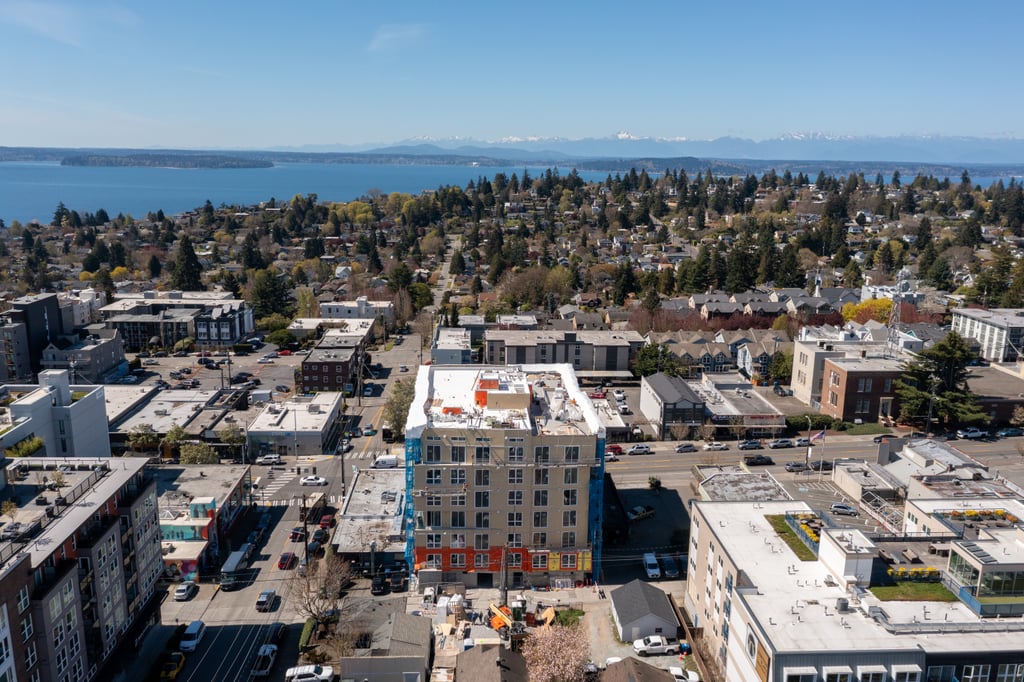
What does waterfront living actually feel like when it is part of your everyday routine, not just a summer postcard? On Beach Drive SW, the answer is less about a single sandy beach and more about a year-round rhythm of shoreline walks, changing skies, pocket parks, and regular time near the water. If you are thinking about buying or selling here, understanding that rhythm can help you picture the lifestyle more clearly. Let’s dive in.
Beach Drive SW is one of West Seattle’s most recognizable waterfront corridors, but it does not read like one long resort beach. Seattle Parks describes the area as a connected stretch running from Alki Point toward 63rd Ave SW, anchored by places like Constellation Park and the Marine Reserve at the end of 63rd Ave SW. In practice, that creates a chain of viewpoints, rocky beach access points, overlooks, and neighborhood parks.
That mix is a big part of the appeal. Nearby landmarks include Emma Schmitz Memorial Overlook, Weather Watch Park, Me-Kwa-Mooks Park, Lowman Beach Park, Lincoln Park, and Seacrest Park. Together, they give you many ways to experience the shoreline, whether you want a quiet bench with a view, stairs to a rocky beach, or space for a longer walk.
Summer is when the waterfront feels most open and active. NOAA climate normals for the Seattle area show average highs of 77.4°F in July and 77.6°F in August, with very light precipitation of 0.60 inches and 0.97 inches. That dry stretch helps explain why summer routines here often center on walking, paddleboarding, beach time, and lingering outside later in the day.
Nearby Alki Beach Park becomes especially busy in the warmer months. Seattle Parks notes that summer brings joggers, rollerbladers, volleyball players, bicyclists, sunbathers, and strollers. Even if you live closer to the quieter stretches of Beach Drive SW, that nearby energy adds to the seasonal feel of the whole area.
Summer also expands your options on the water. Seattle Parks identifies hand-carry launch points for kayaks and paddleboards at places including Lowman Beach Park, Alki Beach Park, Seacrest Park, Cormorant Cove, and Lincoln Park. If you want waterfront living that supports frequent, casual time on the water, this is one of the corridor’s strongest lifestyle advantages.
Lincoln Park adds another seasonal draw with Colman Pool, a summer-only 50-meter heated saltwater pool. Alki’s fire pits are also open from Memorial Day weekend to Labor Day unless a burn ban is in effect. Those kinds of local details help turn summer into more than just good weather. They create rituals that people return to year after year.
If summer is easy and social, fall and winter feel more dramatic and reflective. NOAA normals show the wettest months are November, December, and January, with average precipitation of 6.31 inches, 5.72 inches, and 5.78 inches. Average winter temperatures stay fairly mild, with January at 48.0°F for highs and 37.7°F for lows.
That means winter on Beach Drive SW is usually more wet and windy than snowy. NOAA’s regional normals show annual snowfall of 6.3 inches, which helps set expectations for the broader Seattle pattern. You are more likely to experience rainy mornings, gray skies, and changing water conditions than prolonged cold.
This season also puts the marine-edge setting into sharper focus. Seattle Parks notes that the Emma Schmitz seawall, originally built in the 1920s, had significant erosion and storm damage before it was replaced in 2020 and 2021. Lowman Beach Park also saw shoreline changes, with the final portion of its seawall removed in 2022 and the beach restored.
For buyers, that is an important reminder that this is active shoreline, not a static backdrop. Wind, rain, tides, and infrastructure upkeep all shape the waterfront experience here. For sellers, it is a useful way to frame the area honestly: beautiful, scenic, and deeply tied to the realities of life at the water’s edge.
Spring often feels like the turning point. NOAA data shows April averages 59.3°F for highs and 43.3°F for lows, with 3.18 inches of rain, while May warms to 66.3°F and drops to 1.88 inches of rain. You can usually feel the waterfront getting more usable again, even before full summer arrives.
This is the season when neighborhood routines start to stretch out. Walks get longer, viewpoints feel more inviting, and the parks begin to carry more activity again. The water stays cool, but the shoreline becomes more of a daily destination.
For many people, spring captures the real personality of Beach Drive SW. It is not trying to be a resort strip. It is a working, lived-in waterfront where the seasons matter and where the return of light changes how you use the neighborhood.
One reason Beach Drive SW stands out is that the lifestyle is built on repeatable habits. You might start your day with a shoreline walk, check the tide before heading out, or stop at a viewpoint at sunset without needing to make a whole event of it. That sense of ease is hard to fake, and it is a major part of the area’s value.
Lincoln Park is a big anchor for that routine. Seattle Parks lists 4.6 miles of walking paths, 3.9 miles of bike trails, a heated saltwater pool, and a south-end hand-carry launch. That gives nearby residents a substantial everyday recreation option that works across seasons.
Charles Richey Sr Viewpoint adds another hyperlocal detail that longtime West Seattle residents know well. When the tide is out, Seattle Parks says you can walk from there all the way around Alki Point to Alki Beach Park. That is the kind of small but memorable experience that helps define life near the shoreline.
A waterfront setting can feel removed in a good way, but Beach Drive SW is still connected to the rest of Seattle. SDOT reports that the West Seattle Bridge reopened on September 17, 2022 after a 2.5-year closure, and historically carried an average of more than 100,000 cars, trucks, and buses each day. That matters because access is part of how people judge livability.
There is also a scenic alternate for downtown trips. King County’s Water Taxi page says sailings between downtown and West Seattle average 10 to 15 minutes each way. The service also connects riders to the waterfront pathway and accessible shuttles to Alki Beach Park.
For buyers, this means Beach Drive SW can offer a shoreline home base without feeling cut off. For sellers, it is a reminder that the neighborhood’s appeal is not only about views. It is also about having practical ways to move through the city.
If you are considering a home on or near Beach Drive SW, it helps to understand what this waterfront is and what it is not. The shoreline here is varied, with overlooks, rocky beaches, low-tide access points, restored sections, and places with seawalls or bulkheads. A water view and direct beach frontage are not the same thing, and that distinction matters.
It also helps to think seasonally. Summer can feel lively and highly social, especially near Alki, while winter tends to highlight the moodier and more weather-shaped side of the corridor. If you love the waterfront in both sunshine and rain, you are more likely to appreciate the area for what it really offers.
Water access is another practical advantage. You do not need a large boat to enjoy the shoreline here, thanks to multiple hand-carry launch points nearby. For many buyers, that makes Beach Drive SW feel more usable and more personal than a view-only location.
If you are selling on Beach Drive SW or nearby, the strongest marketing usually starts with the truth of the location. Buyers respond well to the area’s everyday waterfront character because it feels authentic. The goal is not to present the corridor as a resort beach, but to highlight its linked parks, shoreline access, views, and year-round lifestyle.
Seasonality also shapes presentation. In warmer months, it is easier to showcase walkability, paddle access, beach routines, and long evenings outside. In cooler months, the focus may shift toward outlooks, stormy-water beauty, cozy interiors, and how the home relates to the shoreline in all weather.
This is where local strategy matters. On a street and setting as specific as Beach Drive SW, pricing, property condition, waterfront context, and presentation all work together. A seller benefits from guidance that understands not just West Seattle broadly, but the nuances of this particular stretch of shoreline.
If you are considering a move on Beach Drive SW or anywhere in West Seattle, working with a local expert can help you evaluate lifestyle fit, property differences, and smart next steps. To talk through your options, connect with Mara Haveson.

Address
4531 California Ave., SW
Seattle, WA 98116
Mara Haveson