More Blog Posts
A seller in Admiral hands a buyer's agent a clean sewer scope video before the house even hits the market. Everyone treats it as settled. The pipe looks fine on camera, so the conversation about the house's 1920s bones moves on to paint colors and staging.
Then the buyer's own inspector orders an independent scope during the contingency period and pushes the camera a little further than the listing video did. What shows up at the property line is a root intrusion the first video never reached. Now the seller is negotiating from a weaker position than if there had been no video at all, because a "clean" scope that turns out to be incomplete looks worse to a buyer than an honest disclosure of a known issue.
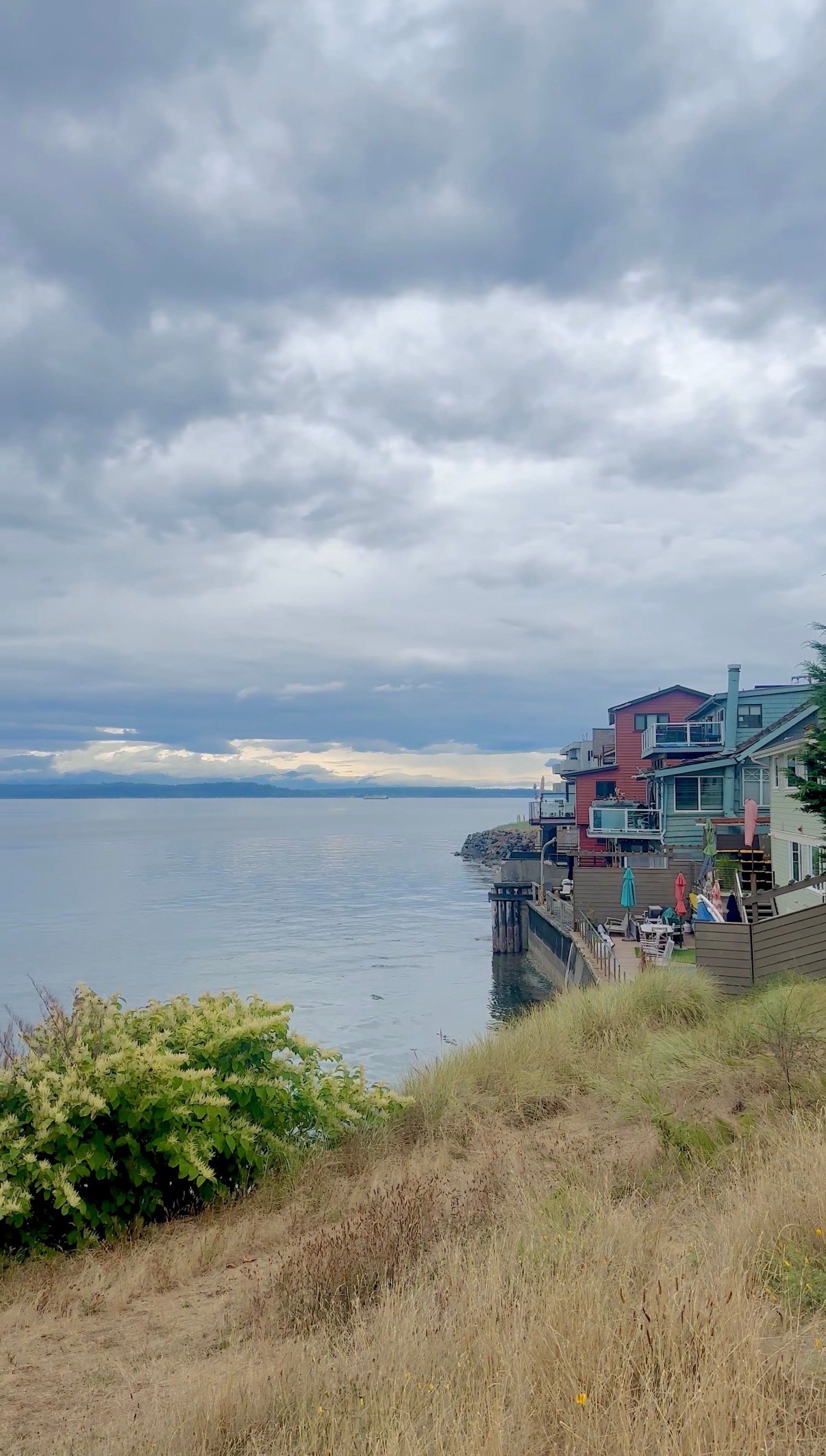
That sequence is common enough in Seattle's older housing stock that it's worth naming directly for anyone selling in Admiral, one of West Seattle's oldest neighborhoods, where the mix still runs heavy on 1910s to 1930s Craftsman bungalows, Tudor revivals, and brick homes perched above the water. The pipe isn't the risk. The paper trail behind the pipe is.
Admiral's housing stock is old enough that side sewer lines were laid before anyone was thinking about video inspection cameras, and the neighborhood's mature street trees, part of what makes the hillside so pleasant to walk, are exactly the root systems that crack century-old clay pipe at the property line. A single-family home here typically lists between $850,000 and $1.5 million, with view properties running $1.5 million to $2.5 million and up, based on NWMLS-sourced market data current as of July 2026. That price band assumes a buyer is paying for character and location. It does not automatically account for what's still underground.
This is where the incentive structure gets interesting. A seller who orders a pre-listing scope and shows a clean result isn't lying if the video is accurate. But "accurate" and "complete" aren't the same thing. A scope that stops short of the main, or is shot at an angle that misses a joint failure, or was recorded a year before listing, tells a buyer what the camera saw and nothing about what's changed since. It doesn't tell them who's responsible for what's still there once escrow closes.
Here's the detail that hasn't made it into most seller prep conversations yet. As of October 1, 2025, Seattle Public Utilities took over all side sewer permitting and inspection from the Seattle Department of Construction and Inspections. Any side sewer work done on an Admiral property before that date has a permit history that lives in one system. Anything done after lives in another.
That matters for a very practical reason. A buyer's agent who knows to ask can cross-check whatever scope video a seller provides against the actual permit and repair history now held by SPU. If a seller's disclosure says the line was replaced in 2019 but there's no corresponding permit on file, that gap becomes the negotiating point, not the pipe itself. Sellers who treat the scope video as the whole story are skipping the step that actually closes the loop.
An independent side sewer scope runs $250 to $400 and takes under an hour. A failed line that has to be replaced to the city main runs $5,000 to $20,000, sometimes more when the repair trench crosses the public right of way. On a house priced at $1 million, that's a real number, but it's a manageable one if it surfaces before the home goes live. It's a much less manageable number if it surfaces during the buyer's inspection period, when it starts eating into negotiating leverage instead of prep budget.
Scenario | Typical cost | Who controls the timeline |
|---|---|---|
Independent sewer scope, ordered before listing | $250-$400 | Seller |
Sewer scope ordered by buyer during inspection contingency | $250-$400 | Buyer |
Line replacement discovered pre-listing | $5,000-$20,000+ | Seller, on seller's schedule |
Line replacement discovered mid-escrow | $5,000-$20,000+ | Negotiated under Form 35, on a closing deadline |
The dollar figures are close to identical in both rows. The difference is entirely about who's holding the clock when the number comes up.
A clean scope video from the listing agent tells a buyer what the camera saw. It doesn't tell them who owns the pipe once escrow closes.
Washington sellers complete a Form 17 disclosure statement, and under RCW 64.06.030 the buyer gets three business days after receiving it to rescind the agreement based on what's in it. If the seller later amends that disclosure, RCW 64.06.040 restarts the clock. That window is short, which means whatever a seller knows and discloses upfront gets absorbed into the deal early. Whatever surfaces later, during the Form 35 inspection response period, gets negotiated under pressure instead.
This is also where Admiral's electrical history tends to come up. Homes from this era commonly still carry knob-and-tube wiring or, in some cases, Federal Pacific panels from later remodels. Insurers routinely decline or surcharge coverage on active knob-and-tube, and a buyer's lender needs bound insurance to fund the loan. That turns an electrical question into a closing question, not just an inspection one. It's a credit conversation between buyer and seller, not a walk-away trigger, but only if it's known before the final contingency deadline instead of discovered after.
None of this means an Admiral seller needs to rebuild the house before listing. It means matching the disclosure to the paperwork before a buyer's inspector does it for you. A pre-listing scope paired with a check against SPU's permit records, a straightforward answer on the electrical panel, and a contractor bid in hand for anything material turns a potential mid-escrow standoff into a number both sides saw coming.
This is the kind of prep work that construction-fluent representation exists for. Mara Haveson's team pairs listing strategy with in-house access to STS Construction Services and Compass Concierge, so repairs, permit pulls, and vendor coordination happen on the seller's timeline instead of the buyer's. For work specific to Admiral's Craftsman and Tudor stock, local contractors like Deane Home Services already specialize in exactly this kind of renovation, from modernizing knob-and-tube wiring to opening up the compartmentalized floor plans common in 1920s West Seattle houses. Knowing which trades actually work this housing stock, not just which permits apply to it, is what separates a seller who's guessing from one who's prepared.
Does the City of Seattle require a sewer scope before a home can be sold? No. There's no city requirement tying a sale to a sewer inspection. The value of a scope comes from what it lets a seller control, not from any mandate.
What changed with side sewer permitting in October 2025? Seattle Public Utilities took over side sewer permitting and inspections from the Seattle Department of Construction and Inspections as of October 1, 2025. Permit history for work done before and after that date now sits with different agencies, which matters when verifying a seller's disclosure against the actual record.
How long does a buyer have to walk away after receiving Form 17? Three business days from receipt, under RCW 64.06.030. If the seller amends the disclosure later, that window restarts under RCW 64.06.040.
If you're weighing what to fix, disclose, or leave alone before listing an older Admiral home, Mara Haveson can walk through the specific paperwork and prep sequence that fits your house. Schedule a consultation to get a clear read on where your property actually stands before a buyer's inspector tells you.

Address
4531 California Ave., SW
Seattle, WA 98116
Mara Haveson